


บทที่ 3: Specs และ Prompts สำหรับเว็บบริษัท, Catalog และเว็บ animation
ต่อยอดโจทย์รายวิชาได้ใน สร้างเว็บไซต์หลักสูตรด้วย Codex แบบทีละขั้น พร้อม prompt ที่รันจริงและภาพผลลัพธ์แต่ละช่วง
ถ้าข้อมูลโจทย์ยังเป็น notes หรือไฟล์กระจัดกระจาย ให้ใช้ Lab Research → Website brief → Brandbook เพื่อให้ AI ช่วยค้นและสังเคราะห์ brief พร้อมแหล่งอ้างอิง ก่อนเขียน spec หรือเลือกภาพ
เป้าหมายการเรียนรู้
ผู้เรียนเขียน spec ที่ AI และ stakeholder ตรวจร่วมกันได้, เลือก prompt ให้เหมาะกับแต่ละ phase, ป้องกัน content ที่แต่งขึ้น, และกำหนด evidence สำหรับเว็บไซต์สามรูปแบบ: เว็บบริษัท, เว็บเช่าอุปกรณ์/สินค้า catalog และ showroom ที่ใช้ GSAP animation
1. Spec ก่อน code: ลดการเดาในจุดที่ราคาแพง
Spec ไม่จำเป็นต้องเป็น RFC ยาว 40 หน้า. สำหรับ MVP ให้เขียน 1–3 หน้า แต่ต้องตอบคำถามที่ code ตอบไม่ได้: ใครใช้, ทำไม, content ไหนอนุมัติแล้ว, conversion ใดสำคัญ, ข้อจำกัด, out of scope, และอะไรคือหลักฐานว่าเสร็จ. เอกสาร Anthropic แนะนำให้ feature ใหญ่เริ่มจาก interview แล้วเขียน spec ที่ self-contained, ระบุ files/interfaces, out of scope และ end-to-end verification (Claude Code best practices). หลักนี้ใช้ได้กับ agent ทุกตัว
Template SPEC.md
# [ชื่อเว็บไซต์] — MVP spec
## Problem / audience
ใครกำลังพยายามทำอะไร และอะไรขัดขวางอยู่

## Outcome
ผู้ใช้ทำ action ใดสำเร็จ; metric ที่วัดได้ (ถ้ามี) และ owner ของ metric

## Approved facts and assets
- Copy/ราคา/โทรศัพท์/เงื่อนไข: URL หรือชื่อเจ้าของที่ยืนยัน
- Images: แหล่งที่มา/สิทธิ์ใช้/alt intent
- Unknown facts: `[TODO owner]` ห้ามให้ agent แต่ง

## Information architecture
Routes, sections, CTA และ state สำคัญ (loading/error/empty/success)

## UX and accessibility
Breakpoints, keyboard/focus, headings/landmarks, form labels/errors,
reduced motion, content language

## Technical constraints
Framework, existing design system, API/data boundaries, allowed dependencies,
secrets/deploy rules

## Acceptance evidence
Commands, browser flows, screenshots/viewports, preview behavior, owner sign-off

## Out of scope
สิ่งที่ไม่สร้างในรอบนี้
2. Specs สำหรับสาม archetype
A. เว็บบริษัท (company information)
เป้าหมายมักเป็นความน่าเชื่อถือและการติดต่อ. ต้องยืนยัน brand name, services, location, hours, legal identity, contact details และ claims ก่อนเผยแพร่. CTA อาจเป็น “ขอคำปรึกษา” หรือ “นัดหมาย” แต่ต้องนิยามว่าจะเกิดอะไรหลังส่ง form: แสดง success state, ส่ง email, เก็บ D1 หรือเพียง mock ใน MVP. ห้ามปล่อย form ที่ดูเหมือนส่งจริงแต่ไม่มี endpoint.
Acceptance example: ทุก CTA ชี้ไปปลายทางจริง; mobile navigation ใช้ keyboard ได้; contact form มี label/validation; privacy notice ได้รับข้อความจากเจ้าของ; 404/error state ไม่ทำให้ผู้ใช้หลงทาง
B. เว็บเช่าอุปกรณ์หรือ catalog
ให้ model ข้อมูลเป็น product, availability, lead time, deposit, location, pricing rules และ inquiry/booking state. อย่าเริ่ม payment หรือ availability real-time หาก data source ยังไม่มี. MVP ที่ดีอาจเป็น catalog filter + quote request พร้อม “ราคา/สถานะเป็นข้อมูลตัวอย่าง” ชัดเจน. ออกแบบ state: no results, unavailable, pending quote, validation error, duplicate submission. เริ่มด้วย fixtures ที่มี isDemo: true; ก่อน production เปลี่ยนเป็น D1/API ที่มี migration, validation และ audit requirement ตามบท Cloudflare
Acceptance example: filter ไม่ทำให้ URL/state หาย; product card ระบุข้อมูลที่ user ตัดสินใจได้; request form ไม่บันทึก PII หากไม่มี privacy flow; API failure แสดงข้อความและไม่หลอกว่าสำเร็จ
C. Product showroom ที่มี GSAP animation
Animation เป็นชั้นเสริม ไม่ใช่ content architecture. เขียน motion spec: trigger, property, duration range, easing intent, what happens on resize, error/loading fallback, และ behavior เมื่อ prefers-reduced-motion: reduce. ต้องวัดบนโทรศัพท์จริง/CPU ต่ำ เพราะ animation ที่ดีในเครื่อง developer อาจทำให้ conversion แย่. อย่าให้ scroll-jacking หรือ motion ที่ซ่อนข้อมูลสำคัญ; content/CTA ต้องเข้าถึงได้แม้ JavaScript หรือ animation ไม่เริ่ม
Acceptance example: headline/price/CTA ปรากฏโดยไม่มี animation; animation cleanup เมื่อ component unmount; reduced-motion ลด/ปิด movement ที่ไม่จำเป็น; image size ไม่ทำให้ LCP แย่จนรับไม่ได้; keyboard/focus ไม่ถูก animation บัง
3. Prompt เป็น phase-specific artifact
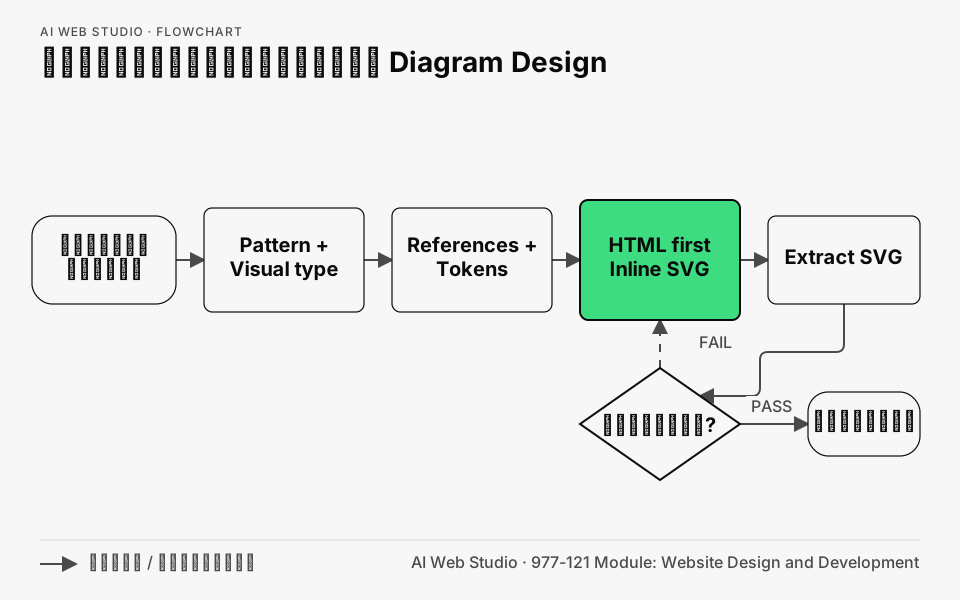
เปิดแผนภาพขนาดเต็ม พร้อม prompt และแหล่งข้อมูลที่ใช้สร้าง
แผนภาพช่วยให้เห็นว่า prompt สำหรับ “สร้างภาพ” ยังต้องมี source, ผู้ชม, ขนาด และ fidelity ledger ไม่ต่างจาก prompt สร้างโค้ด หาก source มีความสัมพันธ์ที่จำเป็น ห้ามลดทอนเงียบ ๆ; ให้เขียนสิ่งที่ merge, collapse หรือ omit ไว้ข้าง deliverable
ฝึกอ่านภาพ: นำ spec หนึ่งชิ้นในบทนี้มาเขียน prompt สร้างภาพหนึ่งย่อหน้า แล้ววงคำที่ล็อก audience, ขอบเขต และหลักฐานตรวจรับ ดูแม่แบบเพิ่มเติมใน ชุด prompt diagram-design
หนึ่ง prompt ไม่ควรทำ research, redesign, database, analytics และ deploy พร้อมกัน. แยก prompt ตาม phase:
| Phase | Prompt ต้องมี | Output ที่รับได้ |
|---|---|---|
| Discover | spec/brief, questions ที่ตอบไม่ได้ | assumption log + plan, ยังไม่ edit |
| Implement | slice เดียว, file constraints, design references | diff เล็ก + tests |
| Verify | acceptance checklist, exact commands, viewport | result + gaps, ไม่ claim เกิน evidence |
| Preview | target env, test data policy | preview URL + smoke test record |
| Release | approved commit/URL, rollback, owner | production evidence หลังมนุษย์อนุมัติ |
OpenAI แนะนำ prompt agentic coding ให้ชัดเรื่อง reuse, delegation, test expectation และ acceptance criteria (OpenAI Model guidance). แปลเป็น prompt contract คืออย่าสั่ง “ช่วยตรวจให้หน่อย” แต่สั่ง “run npm run typecheck และ npm run build; ถ้า test files/config พร้อมจึง run npm run test; test flow X at viewport Y, report output; ถ้าทำไม่ได้ให้ระบุ gap”
4. Lab: เขียน spec และทำ prompt chain
เวลาศึกษาอิสระสำหรับแบบฝึกเต็ม: 75 นาที. เลือกหนึ่ง archetype ด้านบน
- เขียน
SPEC.mdจาก template. ให้ stakeholder/เพื่อนทำหน้าที่ content owner แล้วตอบ[TODO]อย่างน้อย 5 จุด - สร้าง assumption log มีคอลัมน์
assumption,owner,due,impact if wrong. - ใช้ prompt “discover” จาก workflow-prompts.md. ตรวจว่า agent ถามประเด็นจริงแทนเดา
- เลือก slice แรก เช่น page shell + hero. ใช้ prompt implement. review diff ก่อน accept
- ใช้ prompt verify. เปิดหน้าเว็บด้วย 320px/768px/desktop, tab ผ่าน CTA และลอง invalid form
- เขียน release note สั้น: done, known gaps, preview evidence, สิ่งที่ต้อง human approve
ผลลัพธ์ที่คาดหวัง: spec ที่ไม่มี hidden assumption สำคัญ, prompt chain 3 อัน, และ evidence log ที่แยกว่า passed/failed/not run
5. Common failures
- “Use GSAP ให้อลังการ” — ไม่มี motion spec, performance budget หรือ reduced motion. แก้ด้วย story board และ criteria ที่ตรวจได้
- “เว็บขายของ” แต่ไม่มี catalog data model — agent invents product fields/ราคา. เริ่ม fixture contract และ label demo
- ทำ form ก่อน privacy flow — PII ไปที่ endpoint ที่ไม่ชัด. ใช้ mock หรือกำหนด retention/consent/handler ก่อน
- ยอมรับ screenshot เป็น test ทั้งหมด — screenshot ไม่พิสูจน์ navigation/form failure. เพิ่ม smoke interactions และ automated test ที่เหมาะสม
- Copy prompt ข้าม host โดยตรง — tool names/skill invocation/permission semantics ต่างกัน. คงเจตนาและ acceptance criteria แต่ตรวจ syntax ของ host
เช็กลิสต์จบบท
- มี source owner สำหรับ business facts และ asset provenance
-
SPEC.mdบอก out of scope และ acceptance evidence - แยก discovery/implementation/verification/release prompts
- ระบบทำงานได้โดยไม่พึ่ง animation และเคารพ reduced motion
- Human checkpoint อยู่ก่อน production, migration, payment และ PII write